

Blogs & News
NIST Fire Tests Prove Intumescent Baffle Vents Built for Wildfires
Wildfires don’t test homes under ideal conditions – And now, neither does science.
In June 2025, the National Institute of Standards and Technology (NIST) released groundbreaking results from its Eave and Vent Experiments (EaVE) – Phase A. These full-scale fire tests were designed to answer a critical question: How do wildfire-resistant vents really perform when exposed to the kind of intense, unpredictable fire conditions homes face during actual wildfires?
Spoiler: not all vents performed equally.
Why this matters
Most vents marketed as “wildfire-resistant” are tested using ASTM E2886, which exposes them to a controlled 300 kW gas burner. That’s helpful—but real wildfires can generate five to eight times more heat (1.5–2.5 MW) when nearby structures ignite.
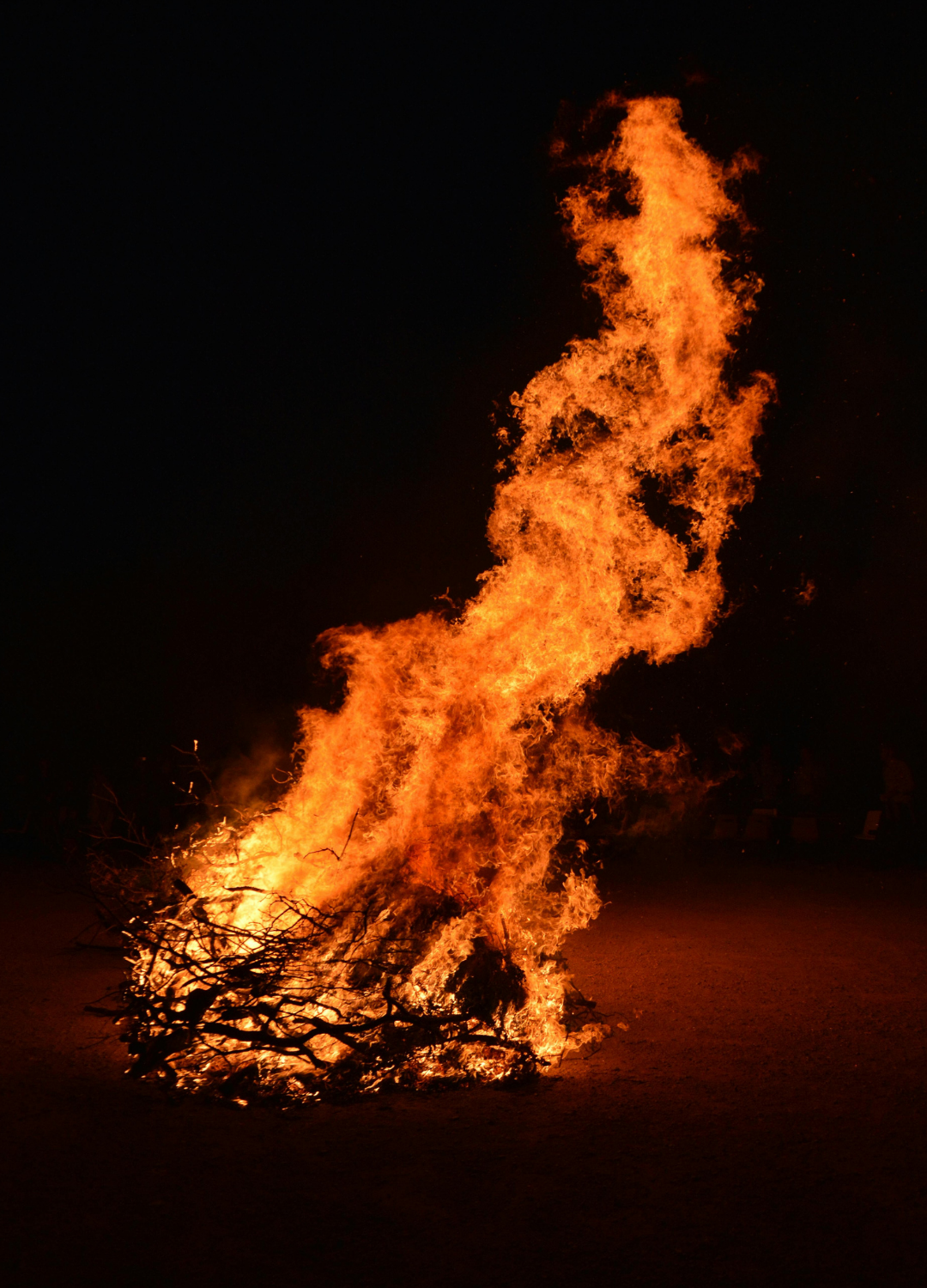
To see what happens under those extreme conditions, NIST ran 16 full-scale fire experiments using a massive 20 MW calorimeter. These tests exposed vents to:
- Sustained flame jetting
- Intense heat flux (both radiant and convective)
- Eave ignition scenarios
- Attic temperature rise and flame penetration
The Big Takeaway: Intumescent Baffle Vents Outperform the Rest
Three different “WUI-approved” eave vents were tested. All had passed ASTM E2886. But when the heat was on – literally – their performance varied dramatically.
Here’s what NIST found:
- Honeycomb-style intumescent vents allowed flames to penetrate the attic once the eave ignited.
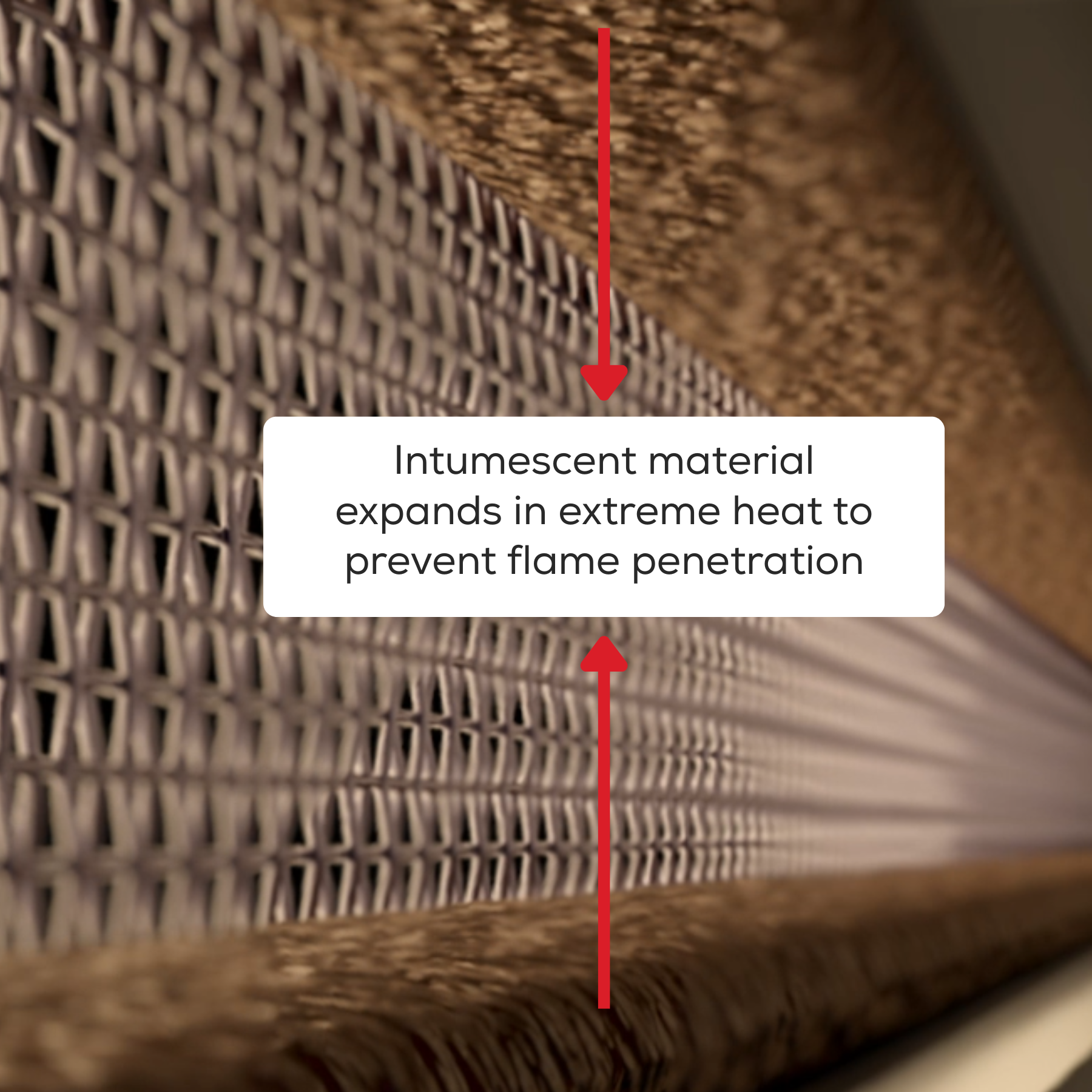
- Intumescent baffle vents (the vent design used by BrandGuard Vents) activated earlier, stayed closed longer, and prevented flame penetration—even under the most severe conditions.
In multiple high-fuel tests, baffle vents kept attic temperatures significantly lower and stopped flames cold. Honeycomb vents? Not so much.
Why Geometry AND Intumescent Performance Matter
It’s not just about having intumescent material – it’s about how that material behaves under extreme heat and how the vent’s internal design supports it.
Two critical factors work together:
Intumescent Activation and Quality
- The intumescent must expand quickly and reliably when exposed to high temperatures.
- Slow or incomplete activation leaves gaps that flames can exploit.
- High-performance intumescent materials create a dense, insulating barrier that resists flame penetration and heat transfer.
Vent Geometry
- Baffle-style vents disrupt direct flame paths, reducing the force of flame jetting into the attic.
- Their design works hand-in-hand with intumescent expansion, creating a layered defense that blocks heat and flames more effectively than honeycomb-style vents.
When these two elements – fast, robust intumescent activation and geometry that blocks flame paths – combine, the result is superior protection during real wildfire conditions. NIST’s tests proved that vents lacking either factor failed under severe exposure.
What This Means for Homeowners and Builders
NIST’s conclusion was clear:
- Better designs—and better standards—are needed to protect homes in wildfire zones.
- Current vent testing doesn’t fully reflect real wildfire conditions.
- Products that pass ASTM E2886 can still fail in extreme heat.
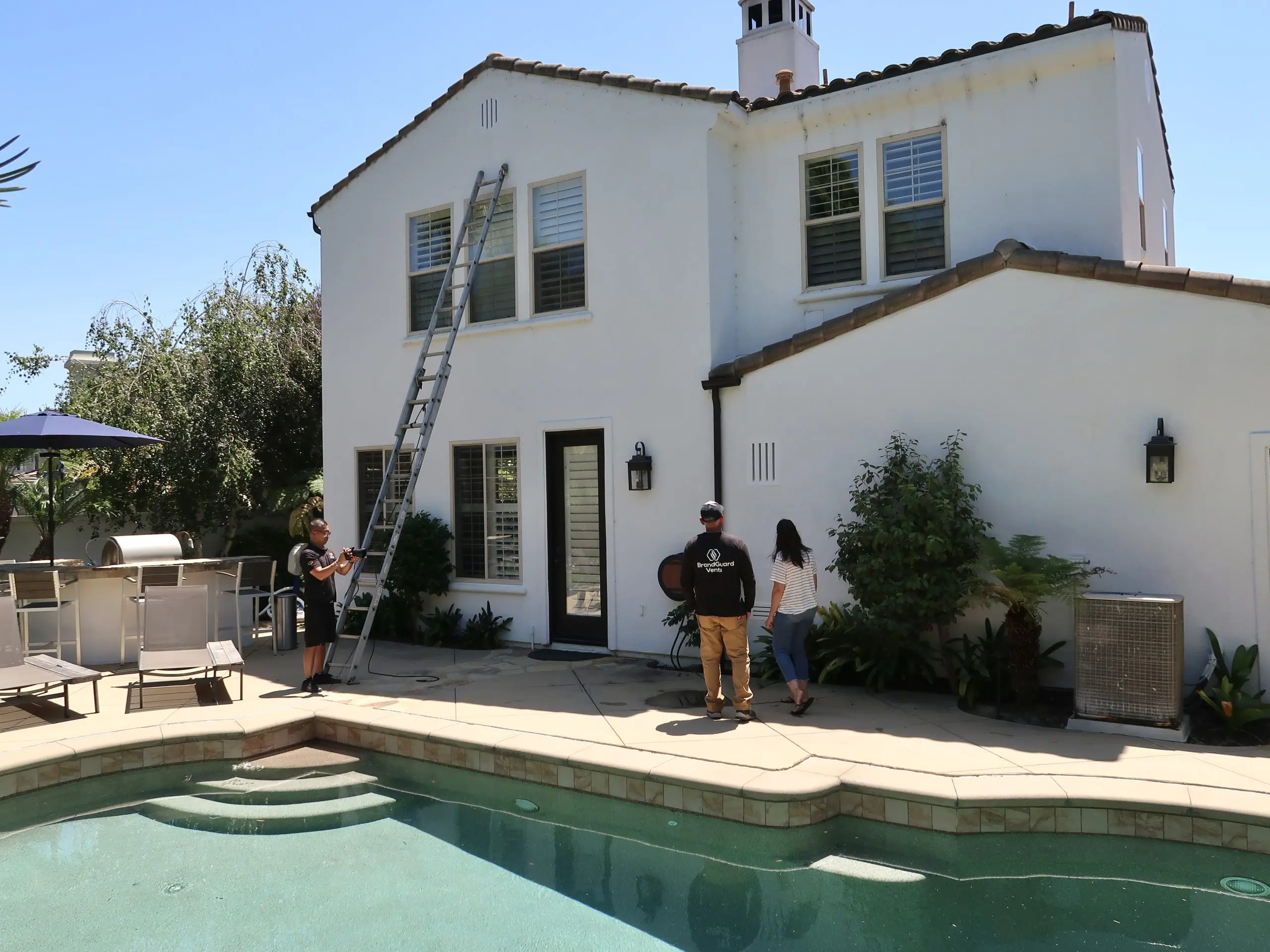
In the face of growing wildfire threats, the time to act is now. Protect your home. Protect your family. Build Back Better with BrandGuard Vents.
BrandGuard: Engineered for Reality, Not Just the Lab
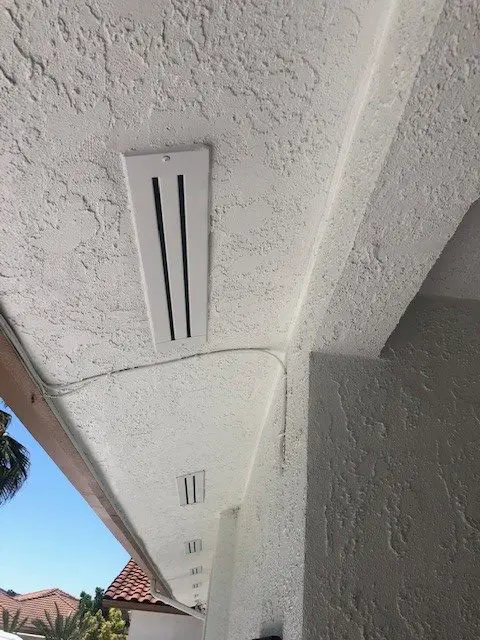
BrandGuard Vents were designed with these exact failure points in mind, long before NIST published its findings. Our intumescent baffle vent technology aligns perfectly with what NIST identified as critical for stopping flame intrusion during severe wildfire exposure.
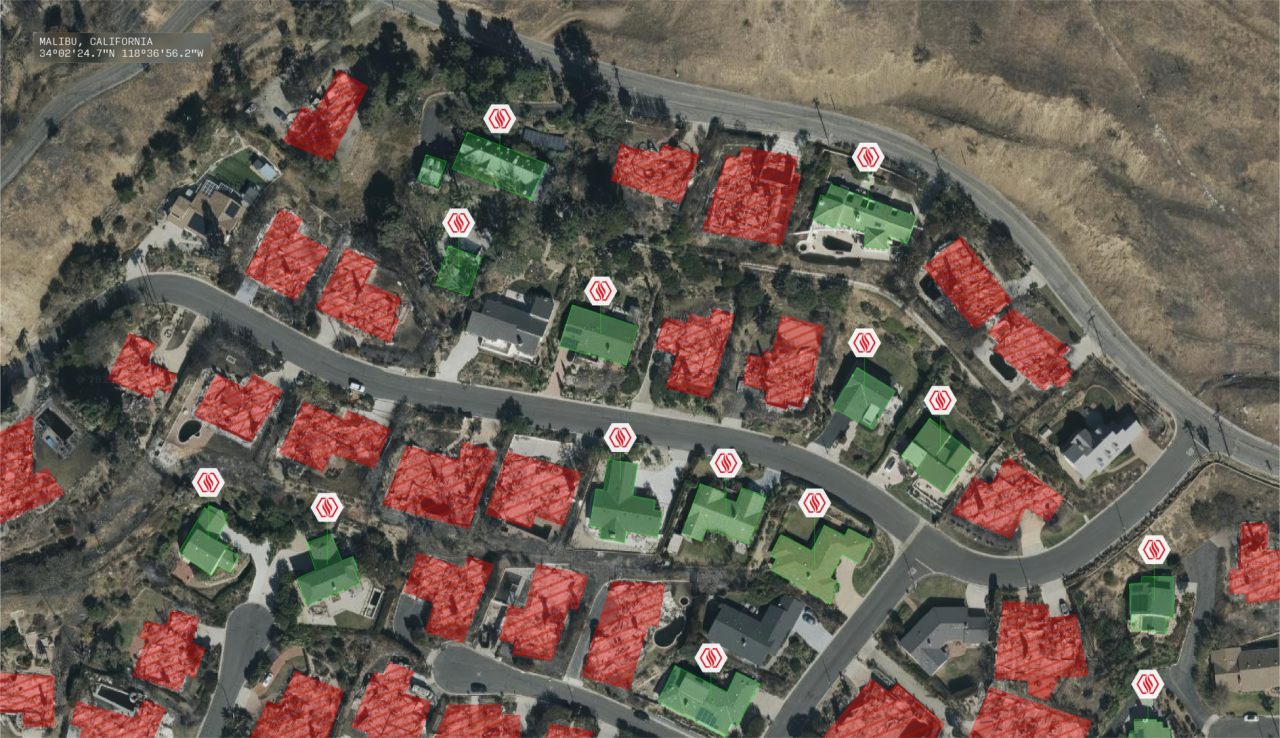
When the stakes are this high, don’t settle for “tested.” Choose vents that are proven to perform when it matters most – as illustrated by this aerial photograph showing properties which survived the Malibu fire with BrandGuard vents fitted.
Contact us today to learn more.
Read NIST’s EaVE Phase A Report here
Note: NIST does not endorse specific products. This article summarizes publicly available test results and technical findings.
Related Posts
-
The California FAIR Plan is the state’s insurer of last resort, and it is carrying more of California than at…
-
Independent third-party verification for both wildfire protection and one-hour fire-resistance-rated assemblies When specifying fire protection products, independent verification matters. It…
-
Crawl Space Vents: The Complete Guide to Ventilation and Moisture Control Crawl space vents are the openings set into your…
